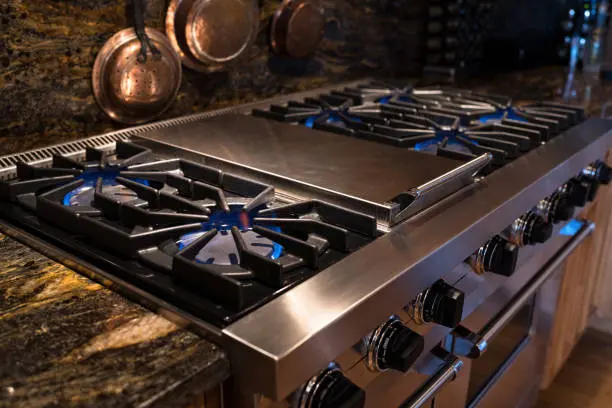
Introduction to the Importance of Oven Maintenance and Common Issues in Las Vegas Ovens
In the bustling heart of Las Vegas, where culinary exploration meets everyday cooking needs, maintaining household appliances like ovens is essential. An oven is not just a staple in every kitchen but also a vital tool for creating delightful meals. However, like any other appliance, ovens are susceptible to wear and tear over time. In Las Vegas, where extreme temperatures can add extra strain on appliances, ensuring that your oven is in top-notch condition becomes even more crucial. One of the most common issues encountered is a burnt heating element, which can significantly impact an oven’s performance. Therefore, understanding how to replace a burnt heating element not only saves money but also ensures that your cooking adventures continue uninterrupted.
Identifying the Signs of a Burnt Heating Element and Diagnosing the Problem
Recognizing a faulty heating element early on can prevent further damage to your oven and avoid inconvenient breakdowns. Common signs indicating a burnt heating element include uneven cooking or baking results, an oven that does not heat up at all, or visible damage such as blisters or breaks in the element itself. Diagnosing the problem involves visually inspecting the element and performing a continuity test with a multimeter to confirm if it’s functioning correctly. If there’s no continuity, it’s time to replace the heating element.
Tools and Safety Precautions Necessary for Replacing the Heating Element
Before diving into any repair work, having the right tools and understanding safety precautions are paramount. Essential tools for this task include:
- Screwdriver set
- Socket wrench
- Multimeter (for diagnosing)
- Replacement heating element specific to your oven model
Safety should never be compromised during repairs. Ensure that you disconnect your oven from its power source before starting any repair work to prevent electrical shocks. Additionally, wearing gloves can protect your hands from sharp edges or hot components.
Step-by-Step Instructions for Removing the Old Heating Element and Installing a New One
Following these steps carefully to ensure a safe and effective repair:
- Disconnect Power: Ensure the oven is completely unplugged from its electrical power source or that the circuit breaker is switched off.
- Access the Heating Element: Open your oven door and remove all racks inside for easy access to the back panel.
- Unscrew the Element: Locate element’s mounting brackets or screw at the back of the oven interior. Use a screwdriver or socket wrench to carefully remove screws holding it in place.
- Detach Wires: Gently pull the element out far enough to expose the connecting wires at its end terminals. Note their configuration (or take a picture) for reassembly later.
- Remove Old Element: Disconnect these wires, using pliers if needed (and mark them if needed). Fully remove the old element from its housing.
- Install New Element: Connect the wires onto the terminals of the new heating element, following the original configuration you observed earlier.
- Secure New Element: Position the new element back into mounts and secure it tightly with the screws you removed previously.
- Reassemble Oven Interior: Replace the oven racks and close the door securely.
Testing the Oven After Repair and Tips for Maintaining Heating Elements
After installation:
- Reconnect Power: Plug the oven back into the power supply or turn the braker back on. Turn the oven on and set the temperature to a moderately high setting as a test run. This ensures proper operation without complications present beforehand (like uneven heat).
- Observe Performance: Allow the oven to run for a few minutes to verify the absence of old symptoms (e.g., non-heating).
To extend the lifespan of your newly installed element, follow these maintainance tips:
- Regular cleaning helps you avoid the accumulation of grease and dirt, which can cause overheating and damage components.
- Avoid using the self-cleaning feature excessively. The extreme high temperatures generated may weaken parts prematurely, including the heating elements themselves!
By diligently attending to routine care and handling issues promptly when they arise, homeowners can benefit from the continued reliable service of their trusty ovens, thereby enhancing both convenience and satisfaction in their culinary pursuits within the vibrant cityscape known affectionately as Vegas.